

Legal & Compliance Essentials for Labour Hire in 2026
Labour hire is a core part of how Australian businesses operate. It’s an industry worth more than $19 billion a year, employing more than 390,000 people across Australia. Labour hire provides flexible workforce solutions across construction, manufacturing, logistics, and warehousing. For many businesses, labour hire isn’t a backup option. It’s essential to meeting demand, managing peak periods, and accessing specialist skills.
But with that flexibility comes growing regulatory scrutiny and more efforts to protect workers. Recent laws like “Same Job, Same Pay” and the Payday Superannuation changes from 1 July 2026, have tightened rules for both labour hire providers and host businesses that hire workers.
At the same time, labour hire agencies with multi-state operations are navigating an increasingly complex compliance landscape, with different states requiring different licensing requirements. It’s clear that understanding your obligations has never been more important.
This guide breaks down the essential compliance requirements every business using labour hire needs to know, with practical steps you can act on straight away.
Table of Contents:
Labour Hire Licensing: A State-by-State Compliance Maze
Work Health & Safety: You Can’t Contract Out of Responsibility
Fair Work Compliance: Pay Parity and Employment Rights
Industry-Specific Compliance Hotspots
Common Compliance Failures and Their Consequences
Building a Bulletproof Compliance Framework
2026 Regulatory Changes You Must Action Now
What to Do When You Discover Non-Compliance
Choosing a Compliance-Focused Labour Hire Partner
Compliance as Competitive Advantage
Labour Hire Licensing: A State-by-State Compliance Maze
Labour hire licensing is one of the fastest ways to fall into serious trouble if it’s not actively managed. The rules don’t just apply to providers. They apply to host businesses too.
Why Licensing Matters to Host Businesses
If you engage an unlicensed labour hire provider, you can be fined even if you didn’t know they were unlicensed. Regulators have been very clear on this point.
An example of this is the Supreme Court of Victoria issuing a total of $759,674 in penalties to five construction companies and three company directors for their involvement in unlicensed labour hire operations in Victoria. Read more about this case here.
Any business in Queensland, Victoria, the ACT, or South Australia that provides labour hire services must be licensed by the state regulator. Fines of over $500,000 may apply to businesses that hire people from unlicensed providers.
Labour hire providers in New South Wales, the Northern Territory, and Western Australia don’t currently need a license, but still need to comply with federal and state workplace laws, Fair Work regulations and industry-specific safety standards.
What You Must Verify Before Engagement
Before engaging any labour hire provider, you should:
- Check the provider’s registration on the relevant state regulator’s website. This takes about two minutes and can save you six-figure fines.
- Confirm the licence covers every state where work will be performed.
- Verify the licence is current and hasn’t expired, been suspended, or cancelled.
- Keep a record of when and how you verified the licence for audit purposes.
For example, People2U is registered in Victoria under licence VICLHL07468, covering Victorian labour hire operations.
The National Licensing Push
Since 2023, the Federal Government has committed to a national approach to labour hire regulation and a national licensing scheme. While that hasn’t yet been implemented, the direction of the industry is clear.
Until a national system exists, businesses operating across multiple states need to manage multiple compliance checks. That means either budgeting for the administrative overhead or partnering with providers who actively manage multi-state licensing on your behalf.
Ignoring the complexity doesn’t remove the risk. It just shifts it squarely onto your business.
Work Health & Safety: You Can’t Contract Out of Responsibility
One of the most common misunderstandings in labour hire is also one of the most costly. Hosts assume that since the worker is not your employee, then Work Health and Safety (WHS) responsibility must sit with the labour hire provider. Host businesses need to remember that just because they are contracting, it doesn’t mean that they aren’t responsible for the employee.
The Core Problem for Host Businesses
In 2026, Australian regulators have made it clear that if the work is happening at your site, under your direction, you carry WHS responsibility. This is not a theoretical risk. Regulators can prosecute host businesses when incidents occur, particularly where the host controls the equipment, the work environment, or the systems of work.
Example:
In New South Wales, a labour hire worker was hurt when a storage container of packaged meat fell from a forklift and hit him in the head. The labour hire worker received workers compensation payments according to the Workers Compensation Act 1987 (NSW). The Court ruled that the host company did not have a safe system of work and this ‘considerably contributed’ to the incident.
Read more about the case here.
Your Non-Negotiable WHS Duties
At a minimum, host businesses must be able to show they have done the following:
- Provided clear and detailed information about site hazards to the labour hire provider and the workers before work starts.
- Conducted a site specific safety induction for every worker.
- Verified that workers hold all required licences and tickets for the work they’re performing.
- Clearly specified the personal protective equipment required for the role and ensured it is actually worn.
- Included labour hire workers in safety meetings, emergency drills, and incident reporting processes.
The detailed duties of a host company can be found on SafeWork Australia’s website.
Where Liability Gets Complicated
Problems can arise in situations where no one clearly owns the responsibility.
- Who provides training when new equipment is introduced halfway through a placement?
- What happens when a labour hire worker is asked to supervise your permanent staff?
- Which safety procedures apply if your systems differ from the labour hire provider’s?
If these questions are not answered upfront, confusion sets in and accountability disappears in case of an incident. Add these elements in writing and communicate to workers in a way that is readily available and clear to understand.
Clear contractual terms and regular communication between host and provider prevent these gaps. Clarity is not just good practice. It is essential risk management for any business using labour hire.
Fair Work Compliance: Pay Parity and Employment Rights
Labour hire sits at the intersection of multiple laws, awards, and agreements. Read the rules of the Fair Work Ombudsman to understand how these pieces fit together for you as a host business, instead of simply relying on the labour hire provider to take care of everything.
Regulated Labour Hire Arrangement Orders
The introduction of Same Job, Same Pay orders has fundamentally changed how labour hire works in mining, aviation, railway, meat processing, automotive, construction, and similar industries where labour hire usage is high.
If these orders apply to you, labour hire workers performing the same work as your employees must receive equal pay as your permanent employees. Breaches can result in significant back-pay claims and penalties.
Award Coverage Traps
A common question is which award applies. Yours or the labour hire provider’s? The answer depends on the work being performed, not who issues the payslip.
Award classifications must reflect the actual duties carried out on your site, not job titles used in contracts or invoices. Allowances are another frequent blind spot. Shift, travel, and meal allowances are often missed in labour hire arrangements, particularly where work patterns change or overtime becomes routine.
Higher duties are also easily overlooked. If a worker regularly performs tasks above their classification, higher pay rates may apply, even if the arrangement was intended to be temporary.
The Fair Work Ombudsman’s PACT tool is an excellent starting point for checking award classifications and pay rates.
Casual Conversion Rights
After 12 months of regular employment, eligible labour hire workers can request conversion from casual to permanent employment. Refusals must be based on valid business grounds. Poor planning or inconvenience isn’t enough. Hosts who rely heavily on long-term casual labour hire should understand how conversion requests may affect rostering, costs, and continuity.
The 1 July 2026 Payday Super Change
From 1 July 2026, superannuation must be paid with each pay cycle, not quarterly.
For businesses with high labour hire usage, this change has real cash flow implications. Payroll and finance systems need to be ready well before July.
Industry-Specific Compliance Hotspots
Each industry has its own compliance pressure points that deserve extra attention.
Construction & Trades
- White Card requirements for all on-site workers
- Trade licensing verification (electrical, plumbing, building)
- Height safety tickets, confined space permits, asbestos awareness
- Principal contractor responsibilities under WHS regulations
- Construction industry long service leave schemes in multiple states

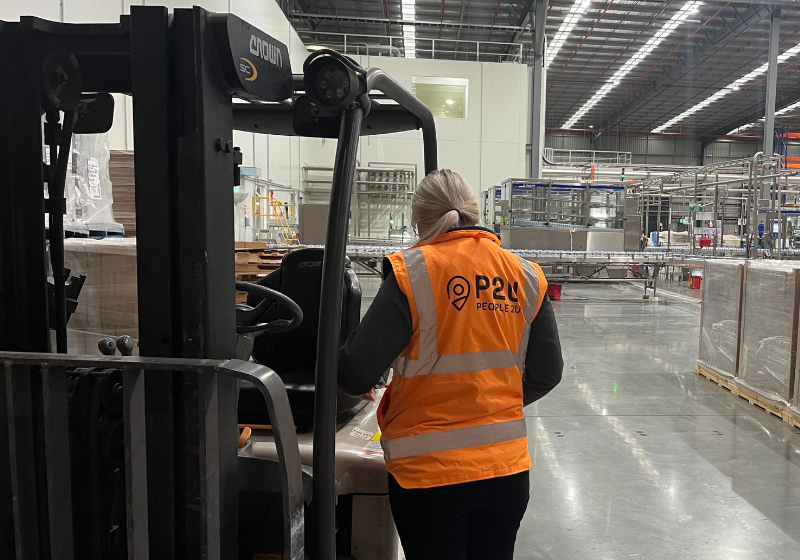
Manufacturing & Production
- Machine-specific competency verification before operating equipment
- Managing fatigue in shift-based operations with rotating labour hire workers
- Chemical handling certifications and Safety Data Sheets (SDS) familiarisation
- Quality control management when workers change frequently
Logistics & Warehousing
- Forklift license classes (LF, LO) matched to equipment types
- Load restraint and dangerous goods training
- Managing worker fatigue during peak periods and high seasonal demand (Christmas, end of financial year)
- Security clearances


Engineering & Technical
- Professional registration and membership verification
- IP and confidentiality agreements for contractors accessing proprietary information
- Design liability and professional indemnity insurance
- Security clearances for government or defence-related projects
Common Compliance Failures and Their Consequences
Here are some of the most common compliance failures we see among labour hire companies and hosts.
Using Unlicensed Providers
Verifying licences takes minutes. Recovering from penalties, investigations, and reputational damage can take years. “We didn’t know” is not a defence.
As a host, it is your responsibility to check that the labour hire provider has a licence to operate in your state and that workers’ have current licences.
As a labour hire provider, it is part of your due diligence to keep up-to-date with all licensing information about your workers.
Inadequate WHS Documentation
After an incident, regulators ask for evidence. Both hosts and labour hire providers need to prove they met their duty of care. Documentation doesn’t just support safety. It protects your business when things go wrong.
SafeWork Australia mandates that both the host and the labour hire provider need to provide the worker with safety induction, policies, procedures, and practices in a way that is available and accessible.
Misclassifying Employment Arrangements
Some businesses attempt to treat genuine employment as contracting to reduce their legal obligations. This is called ‘sham contracting’. Fair Work sham contracting penalties can reach up to $495,000 for businesses with more than 15 employees. Business will also be liable for additional back-pay for unpaid entitlements, superannuation, and leave.
Poor Record Keeping
Missing timesheets can quickly turn into underpayment disputes. A lack of written agreements makes it impossible to show who was responsible for what.
The responsibility extends to both hosts and labour hire providers. An example of this is that in 2022, Fair Work Ombudsman fined growers and labour hire providers a combined $78,362 in multiple states for breaching pay slips and record-keeping laws. Read more about this case here.
Ignoring Pay Parity Requirements
The recent Same Job, Same Pay orders mean that it’s time to review your records if you have been using labour hire workers since late 2024. Back-pay claims can stretch back years, and public cases bring reputational damage that outlasts the financial penalty.
Building a Bulletproof Compliance Framework
Strong compliance doesn’t happen by accident. It’s built through systems, checks, and clear expectations. Here are our tips to build an internal compliance framework that protects your organisation.
Pre-Engagement Due Diligence Checklist
Before engaging any provider, make sure you can tick off the following.
- Request current licensing certificates for all relevant states
- Verify public liability insurance, typically $10-20 million minimum
- Confirm workers’ compensation insurance coverage
- Check the provider’s compliance history (search through Fair Work’s media releases to check if they’ve been fined)
- Ask for client references from similar industries
- Review their worker screening and qualification verification processes
If a provider struggles to supply this information, that’s your first red flag.
Tip:
If your labour hire provider is contracting out to another labour hire provider to supply workers for you, this creates a contracting network of supply chain. Businesses are responsible for managing their supply chain and making sure they are following workplace laws.
A supply chain complicates matters and increases risk for hosts. We recommend checking whether your labour hire provider will outsource before you sign a contract and avoiding supply chain setups altogether.
Essential Contract Clauses
Your contract should do more than set rates. At a minimum, include:
- Clear WHS responsibility allocation, including who inducts workers, who provides PPE, who investigates incidents, etc.
- Transparent billing rates with a breakdown of worker pay versus provider margin.
- Notice periods and cancellation terms.
- Indemnity clauses covering provider failures, such as unlicensed workers.
- A right to audit provider records relevant to your placements, aligned with Fair Work Ombudsman’s guidance.
- A dispute resolution process that protects all parties from litigation.
- Redundancy and dismissal procedures, including fair causes for termination.
Ongoing Management Systems
Compliance doesn’t stop once the contract is signed. Effective hosts put consistent systems in place that catch problems before they become liabilities. This includes:
- Monthly reconciliation of timesheets against invoices to ensure all requirements around pay and entitlements are met. Fair Work’s self-audit guide provides a practical framework for reviewing your operations.
- Quarterly WHS performance reviews covering incidents, near misses, and training.
- Annual contract reviews to reflect pay changes and regulatory updates.
- Worker feedback mechanisms to raise issues early.
- Consistent documentation of all safety incidents involving labour hire workers that is shared with the labour hrie provider.
When to Walk Away from a Provider
A good labour hire partner should make compliance easier, not harder. When they don’t, you get exposed to risk. It’s time to walk away if a provider:
- Can’t produce current licensing within 24 hours.
- Sends workers without required qualifications or tickets.
- Repeatedly makes invoicing errors or introduces unexplained rate increases.
- Responds poorly to safety incidents or worker complaints.
- Pressures you to accept workers without proper verification.
- Fails to gather information about, or assess, your work environment for health and safety risks.
2026 Regulatory Changes You Must Action Now
2026 brings a few key regulatory changes and updates that businesses using labour hire need to be aware of.
Payday Superannuation (Effective July 1, 2026)
One of the most significant payroll changes in from July 2026 will be the payment of superannuation. Currently, superannuation is typically paid quarterly. From 1 July 2026, super must be paid at the same time as wages, whether that’s weekly, fortnightly, or monthly.
What you need to do
- Update payroll and finance systems before 30 June 2026.
- Adjust cash flow forecasting so super is built into every pay run, not treated as a quarterly lump sum.
- Confirm how labour hire invoices will reflect more frequent super payments.
Why this matters
- Cash flow pressure increases if you’re not prepared.
- Real-time super payments reduce end-of-quarter stress and long-term underpayment risk.
Gender Equality Workplace Targets (April-May 2026)
From April–May 2026, employers with 500 or more employees must set formal gender equality targets. These targets include workforce composition and pay equity.
Important clarification: If you’re creating a workplace profile, you do not report data for employees that a labour hire company supplied to your business. That reporting responsibility sits with the labour hire provider, not the host. Read more about it here.
Actions required
- Assess your total workforce composition, including labour hire usage, by March 2026.
- Factor these requirements into workforce planning.
Extended Parental Leave Provisions
Paid parental leave is increasing to 26 weeks from 1 July 2026.
What this means for your business
- Longer absences need to be planned for. Backfill requirements may increase for employees about to go on parental leave. Labour hire demand often rises during transition periods, especially where specialist skills are required.
- Under the National Employment Standards, a labour hire employer must allow permanent employees and eligible long-term casuals who have completed 12 months’ service to take up to 12 months of unpaid parental leave.
What to Do When You Discover Non-Compliance
Discovering a compliance issue can be uncomfortable, but how you respond matters just as much as the issue itself.
Immediate Response Protocol
When a potential breach is identified:
- Pause new engagements while the issue is investigated.
- Document how and when the non-compliance was discovered, including evidence and communications.
- Review all related contracts and communications to identify similar problems.
- Identify whether the issue affects current workers, former workers, or both.
- Avoid the temptation to “fix” records after the fact. These changes often worsen the situation.
Worker Entitlements Assessment
Seek legal advice from an employment lawyer or HR to understand the scope of the issue. Calculate potential underpayments, including wages, super, and entitlements. This will help you understand whether a voluntary disclosure to Fair Work is appropriate.
Provider Relationship Decisions
Not every compliance issue requires immediate termination of the relationship between a labour hire provider and a host, but all issues require careful assessment.
- Is the issue fixable with better systems and oversight?
- Does it appear to be a one-off error or a pattern of non-compliance?
- What contractual protections do you have, such as indemnities or termination rights?
- What is your ongoing exposure if the relationship continues?
Prevention for Next Time
Once the issue is contained, focus on prevention.
- Implement pre-engagement verification checklist.
- Schedule quarterly compliance audits.
- Train procurement and operations teams on red flags.
- Build compliance requirements into all documentation.
Choosing a Compliance-Focused Labour Hire Partner
The right labour hire partner doesn’t just supply workers. They reduce risk.
What Separates Compliant Providers from the Rest
Strong providers consistently demonstrate:
- Current labour hire licensing in every state they operate. These licences should be easily verifiable.
- Transparent billing processes with a clear breakdown of worker pay versus fees.
- Documented WHS systems and a willingness to provide audit access.
- Proactive communication about regulatory changes.
Red Flags That Signal Risk
Some things to look out for:
- Rates well below market. Compliance has a cost, and unusually cheap labour often means corners are being cut.
- Hesitation or delays in providing licensing and compliance information or insurance documents.
- Workers arriving without verified qualifications, justified by “experience”.
- Vague contracts that don’t clearly allocate WHS responsibilities.
Questions That Reveal Provider Quality
The simplest way to assess a provider is to ask the right questions.
- How do you verify worker qualifications before placement?
- What happens if a worker arrives without required tickets?
- Can you provide references from businesses in our industry?
- How do you manage WHS incidents at host sites?
- Will you provide audit access to records relating to our placements?
Working with Registered Providers
Work with labour hire providers you can trust. People2U (Licence number – VICLHL07468) provides registered, compliant labour hire across construction, engineering, logistics, warehousing, manufacturing and more.
With multi-state coverage including Melbourne, Sydney, Brisbane, Perth, Adelaide, Canberra, the Gold Coast, and regional Queensland, People2U combines verified qualifications, established compliance systems, and transparent processes.
For a compliance-focused consultation, call us at 1300 470 217.
Compliance as Competitive Advantage
Beyond avoiding fines, strong compliance delivers real business benefits. There are fewer workplace incidents and better productivity from properly qualified workers. You have a reliable workforce supply during peak demand, and protection during disputes, audits, and investigations.
The Cost-Benefit Reality
Compliance takes time. But non-compliance costs far more. Penalties can reach hundreds of thousands of dollars and reputational damage can take years to undo. Working with established, compliant providers may cost slightly more upfront, but it eliminates risk.
Your Next Steps
To stay ahead in 2026:
- Audit your current labour hire arrangements using this guide.
- Verify that all providers are licensed in relevant states.
- Review service agreements to clearly allocate WHS and payment responsibilities.
- Implement a pre-engagement verification checklist.
- Prepare payroll systems for the 1 July 2026 Payday Super changes.
- Schedule quarterly compliance reviews with providers.
Partner with Confidence
People2U delivers compliant, registered labour hire across industries and locations. Our team understands the regulatory complexity Australian businesses face and works alongside you to manage it.
Contact us and let’s ensure your workforce solutions protect your business, your workers, and your reputation.
Browse the list of tools and resources used in this blog:
- https://www.labourhireauthority.vic.gov.au/latest-news/
- https://www.safeworkaustralia.gov.au/system/files/documents/1908/labour-hire-duties-of-persons-conducting-business-undertaking.pdf
- https://ministers.dewr.gov.au/rishworth/thousands-australian-workers-get-more-pay-under-same-job-same-pay-laws
- https://calculate.fairwork.gov.au/FindYourAward
- https://www.fairwork.gov.au/newsroom/news/payday-super-new-rules-starting-1-july-2026
- https://www.fairwork.gov.au/find-help-for/independent-contractors/sham-contracting
- https://www.fairwork.gov.au/sites/default/files/migration/712/guide-to-self-auditing-your-business.pdf
- https://www.fairwork.gov.au/find-help-for/labour-hire-and-supply-chains
- https://www.ahri.com.au/articles/4-employment-law-changes-coming-in-2026
- https://www.servicesaustralia.gov.au/how-much-parental-leave-pay-you-can-get?context=64479#:~:text=If%20you%20submit%20a%20pre,date%20of%20birth%20or%20adoption
- https://www.wgea.gov.au/reporting/reporting-guide/steps/wpp#which-employees-do-i-report-data-for